
There’s a lot of misinformation and disinformation about fentanyl, and it’s important to separate facts from myths. This article utilizes the most up-to-date statistics available to provide an accurate picture of the fentanyl crisis in 2024. For some statistics, the most up-to-date information will be cut off in 2021. We’ll update this article as more up-to-date information becomes available. Watch a video on How to use fentanyl test strips from Prevent Overdose-Rhode Island.
The Rise Of Fentanyl: Key Overdose Trends
Fentanyl is synthetic, which means it is made entirely in laboratories and has no natural ingredients. It was developed as a prescription medicine for treating severe pain, such as pain after surgery. When used as prescribed, it is also very effective in treating cancer pain or other types of severe chronic pain that don’t respond to other pain medicines.1,2,3 Read more about opioids on the NIDA website. Despite the number and diversity of its analogs, fentanyl itself continues to dominate the illicit opioid supply. Milligram per milligram, fentanyl is roughly 50 times more potent than heroin and 100 times more potent than morphine.
Fentanyl test strips may not be able to detect all forms of illicit fentanyl and they cannot tell you how much fentanyl may be present. There can also be false positives (showing that fentanyl is present when it really isn’t). The process of testing methamphetamine is different than testing opioids and uses more water. Overdose deaths involving fentanyl have quadrupled in recent years. Because of the so-called “War on Drugs” and criminalization of people who use drugs, people often are unaware of the exact composition of the substances they’re using.
Why Is Fentanyl So Dangerous?
A 2024 survey from the RAND Corporation reported that more than 42% of adults in the US know someone who has died from an overdose. So even if you don’t have a firsthand connection to this widespread social problem, you probably know someone who does. Being aware if fentanyl is present allows people to implement appropriate harm reduction strategies to reduce the risk of an overdose.
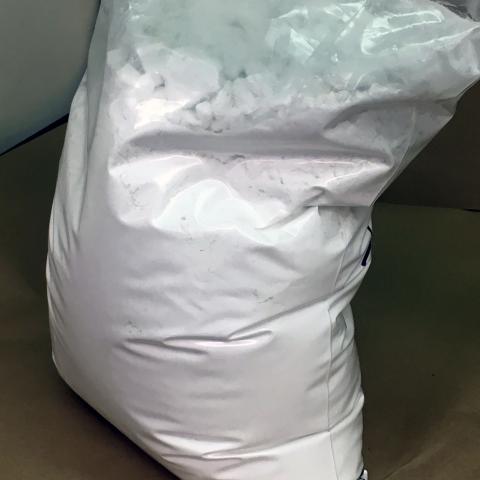
Common Forms Of Fentanyl
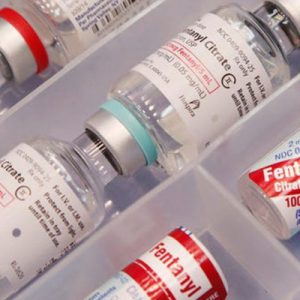
- Prescription fentanyl is available under such names as Actiq®, Duragesic®, and Sublimaze® in the form of tablets, an injectable liquid, lozenges and patches.
- Dispose of unneeded tablets by removing them from the packaging and flushing them down the toilet.
- They can be used to test injectable drugs, powders, and pills.
- Fentanyl and fentanyl analogues (some stronger than fentanyl, some weaker) are not “naloxone resistant.” They are opioids and will respond to naloxone if someone is overdosing.
- As these are unofficial terms, they can rapidly change and vary from region to region.
- Alternatively, some people may take illegally manufactured fentanyl for its heroin-like effect.
For example, the person may obtain it as powders or pills or add it to containers such as eyedroppers or nasal sprays. Street names for fentanyl include Apache, China Girl, Goodfellas, Great Bear, and Tango & Cash. Medications are the standard treatment for fentanyl addiction.32,33 Several medications have been approved by the U.S. Food and Drug Administration (FDA) for the treatment of opioid use disorder. Another medication, lofexidine, has been approved for treatment of withdrawal symptoms.34 See “Medications for Opioid Use Disorder” for more information.
Tobacco Use And Vaping In The US: Statistics, Trends, And Health Implications
The physical and mental effects of fentanyl vary depending on how it is used. As these are unofficial terms, they can rapidly change and vary from region to region. Healthcare providers, law enforcement, and the public should stay aware of these changes. Illegal fentanyl is potent and deadly, and other drugs are often laced with it. The effects of fentanyl last a few hours, but it can be detected in your urine, hair and blood far longer. Fentanyl can be detected in urine tests 24 to 72 hours after last use; in blood tests up to 48 hours; and in hair up to three months after last use.
Latest From NIDA
It’s hard to predict the amount of fentanyl that could kill someone. As little as 2 milligrams may be lethal depending on how big your body is, what your tolerance for opioids is, and your past usage of fentanyl. Fentanyl patches pose a danger to kids who can stick them on their skin or mouths. This can cause death by slowing their breathing and lowering oxygen levels in their blood. Fentanyl can also be “diverted.” That’s when the drug is prescribed by a doctor but isn’t used as directed or is sold or given to someone else.
Fentanyl Use And Overdose Prevention Tips
There are many things that can impact intoxication, overdose and bad reactions like feeling tired, being sick, or different emotional states. Understanding the disproportionate impact of fentanyl is crucial for developing targeted, effective interventions and prevention strategies. The information on this site is for educational purposes only, and does not substitute for professional medical advice. This site was developed by the UW Addictions, Drug & Alcohol Institute (ADAI). King County worked with Rescue Agency to create Laced & Lethal, a campaign to educate youth about fentanyl, and how to respond to overdose.
Legal pharmaceutical products are manufactured with safeguards in place to ensure quality control. Drug dealers may not have professional chemistry skills and may not have quality control tests, which means that small mistakes when mixing the drug can be fatal. According to experts, there are many reasons fentanyl has become such a widely used illicit drug, despite its high overdose potential. The Senate subcommittee did not look closely at darknet sites, the investigator told me, because they found so much on the open web.
It Is Safe To Respond To Fentanyl Overdose?
In this article, we will discuss the medical uses of fentanyl and its side effects. We will also cover misuse of fentanyl, addiction, and the risk of overdose. This campaign also shows the difference between counterfeit pills and real pills. As an emergency physician, I give fentanyl as an analgesic, or painkiller, to relieve severe pain in an acute care setting. My colleagues and I choose fentanyl when patients need immediate pain relief or sedation, such as anesthesia for surgery.
Deaths Involving Illegally Made Fentanyl Are Rising
Fentanyl test strips can identify the presence of fentanyl in unregulated drugs. They can be used to test injectable drugs, powders, and pills. If you choose to use fentanyl, there are some practices that can help you minimize the risk of an overdose. Here are a few recommendations so you can be in control of your experience.
You may use the second lozenge (Actiq) 15 minutes after you finish the first lozenge, or use the second tablet (Fentora) 30 minutes after you started using the first tablet. Talk to your doctor about how well the medication is working and whether you are experiencing any side effects so that your doctor can decide whether your dose should be adjusted. Tell your doctor if you feel that your pain is not controlled or if your pain increases, becomes worse, or if you have new pain or an increased sensitivity to pain during your treatment with oxycodone. Do not take more of it or take it more often than prescribed by your doctor. Fentanyl exerts its pain-relieving effects by acting on opioid receptors that occur naturally in the body. Endorphins, the substances in the body that normally bind to opioid receptors and naturally relieve pain, are also connected with “pleasure centers” in the brain.
A 17-year-old boy was found unresponsive, with pinpoint pupils and a slow respiratory rate. He was treated by EMTs with naloxone, and his mental status and respiratory rate improved. He was admitted to an intensive care unit for observation.