
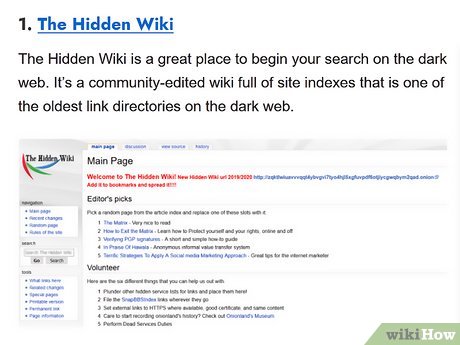
Through Tor, users can access a number of dark web websites, including mirrored versions of surface web sites such as Facebook and The New York Times. For those who really want to explore the dark web, several pages called the Hidden Wiki serve as a directory of links to other .onion sites. To know about the latest cyber threats people fall victim to online, you should keep up with the latest cybersecurity news. This will help you understand what type of attacks to be on the lookout for when you’re browsing online. Think about logging into your email or checking a paywalled article. The Deep Web is part of the vast, invisible chunk of the World Wide Web that search engines can’t crawl.
Can I Use Tor Browser To Access The Surface Web?
But just because this information isn’t indexed doesn’t mean it isn’t there. Most information on many websites is contained on the deep web — it is typically made up of private information from the individual pages or profiles of websites on the surface web. These pages are usually password protected and are only open to users with the right login credentials unique to the user they are registered to.
After all, there’s nothing illegal about accessing your email, social media, university website, banking website or other online services. However, illegally accessing deep web content and services, such as hacking into an account, is a criminal offense. Deep Web sites and services are easily accessible via web browsers like Google Chrome, Firefox and Microsoft Edge. The difference from surface websites is that most deep websites require users to pay for a subscription or create an online profile to obtain login credentials. Even free online services that are open to the public can be categorized as part of the deep web. For instance, banking websites require users to log in before viewing their account statements.
Cybercrime Isn’t Lurking It’s Surging
Researchers generally use databases like JSTOR for articles, while healthcare providers maintain private information regarding patients in secure systems. Many organizations employ the Deep Web for secure data storage and communication. In this way, the Deep Web is a constituent part of today’s Internet usage. Kurt Baker is the senior director of product marketing for Falcon Intelligence at CrowdStrike. He has over 25 years of experience in senior leadership positions, specializing in emerging software companies. He has expertise in cyber threat intelligence, security analytics, security management and advanced threat protection.
How To Safely Access The Deep Web
Any website or page that’s not behind a paywall, login, or specialized network protocol can be included in these indexes. This results in a massive interlinked structure of publicly available information, from news articles and recipes to online shops and social media networks. Web pages on the Dark Web can only be accessed using the Tor browser, and users need to know the URL of the website to find it. This makes Dark Web sites a rich source of threat intelligence for organizations; however, the design of the Dark Web can make this information difficult to find. Curiosity is natural, and the general public is rightfully curious about the difference between these parts of the Internet. Despite listings of dark web sites in places like Reddit, and through Twitter, the average internet user will not experience anything on the dark web without setting up complex software such as a TOR browser.
Dark Web Vs Deep Web: What’s The Difference?
The dark web marketplace is also fraught with malware, Malware-as-a-Service (MaaS) and stolen data (such as online credentials and credit card numbers) for sale. Basic online hygiene can prevent security lapses when accessing the deep web. For instance, using an unprotected public network to pay your bills might lead to cybercriminals being able to capture your payment information. The dark web was originally a domain exclusively used by cybercriminals and governments. Today, this is no longer true–advanced encryption technologies have made the anonymization of web surfing a hassle-free affair for regular users. The dark web’s anonymity makes it a safe space for whistleblowers, which also makes it a valuable source of information for the government.
RESOURCES
It is important to practice internet safety and security—and that rings true even if you use the Surface Web. Whatever data you access, the organization holding onto that data has it as well. In comparison, the dark web operates on the principle of total anonymity and leaves everything in your hands.
Start Browsing Privately!
The search engine crawlers do the same work as done by the explorer submarines. Many believe the world wide web we see is only the tip of an iceberg. Two terms Darknet and Deep Web, in some sense, justify the presence of this hidden web about which most people are unaware. And those who know about the darknet often confuse it with deep web. Dimitri graduated with a degree in electronic and computing before moving into IT and has been helping people with their IT issues for the last 8 years.
The risks of accessing the deep web vs. the dark web may be similar but not exactly the same. Most of this limited collection is in the form of Google sites and services. In reality, the internet is enormous, and it has around one billion websites existing on servers around the globe. While many of these supposed services are scams, some might be real. Authorities from several countries have taken down some networks and sites, arresting the owners, such as Silk Road.
- Its main goal was to prevent spy communications from being discovered; however, the framework was eventually repurposed and made public.
- Also referred to as TOR, or The Onion Router, it utilizes encryption, an application layer inside a protocol communication stack akin to onion layers, hence the name.
- It’s all about keeping things away from search engines like DuckDuckGo or Google.
- So they’re right there on the internet, but you can’t find them by doing a quick search.
Latest News
Unlike the wider deep web, the dark web is its own breed primarily due to its focus on anonymity. People might operate under anonymity without revealing their identity, which could protect their privacy but can also lead to illegal activities. Darknet provides a user with anonymity but a service was introduced that allowed someone to host a website on the darknet and remain anonymous. To access such a database, one must need specific tools and software, and would require a lot of precautions to access such data. Most deep web websites require login credentials, often with two-factor authentication, and use encryption to protect user information and keep transactions private.
Deep Web Vs Dark Web: What Is The Difference?

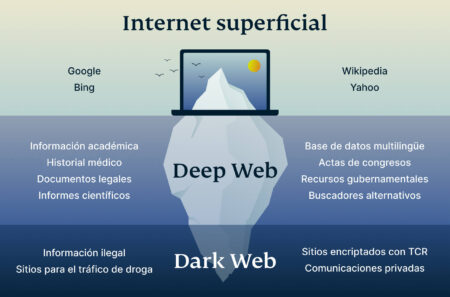
The confusion between Deep Web and Dark Web among sections of the non tech-savvy is understandable to an extent, although, in reality, the Dark Web is only a subset of the Deep Web. Sure, neither can be search-indexed, but large sections of the the Deep Web, unlike the darknets that form the so-called Dark Web, do not need any special censor-resistant software for access. The Dark Web, on the other hand, can only be accessed through various anonymizing platforms, the best-known and most widely-used among which happens to be Tor. Other platforms like I2P and Freenet are also generally referred to as being parts of the Dark Web.
Additionally, using robust anti-malware software is another way of staying safe. It is encrypted and regularly updated, meaning your data won’t be easily accessible to malicious parties. Still, it is critically important to never share any info about yourself with the people you meet and not purchase anything. If you come across software that seems neat and valuable, do not install it.
These are examples of the deep web — areas of the internet that most people still have access to but cannot be searched for using Google or other search engines. Before diving into the specifics, it’s essential to establish a foundational understanding of the Internet as a whole. Popular social media sites, e-commerce platforms, blogs, and news websites primarily exist here.
Make Tech Easier provides tech tutorials, reviews, tips and tricks to help you navigate the complicated world of technology. In comparison to the deep web, the dark web is entirely decentralized and lacks an organized structure. The most hidden corners of the dark web only have private peer-to-peer connections. The Internet, as we know it, can’t function without secure ways to access your account, collaborate with others, process payments, perform transactions, or display confirmation screens. Despite its depths, not all of the deep web poses a threat; indeed, much of it enhances global knowledge and educates individuals participating in specialized fields. Before diving deeper into the differences between the Deep Web and Dark Web, it is essential to understand the general structure of the internet.
This version of the web is used by most of the world’s population for shopping, banking, entertainment and receiving the latest news. It is also heavily monitored by the world’s intelligence agencies and law enforcement on behalf of their governments. In today’s digitally interconnected world, confusion frequently arises around the terms dark web vs deep web. Both refer to unseen parts of the internet, but their purposes, access methods, and risks differ significantly. Business decision-makers and cybersecurity professionals must understand these differences to assess risk, monitor exposure, and protect sensitive assets. This article clearly explains dark web vs deep web, along with a deep dive into their structure, benefits, threats, use cases, and smart practices for secure monitoring.