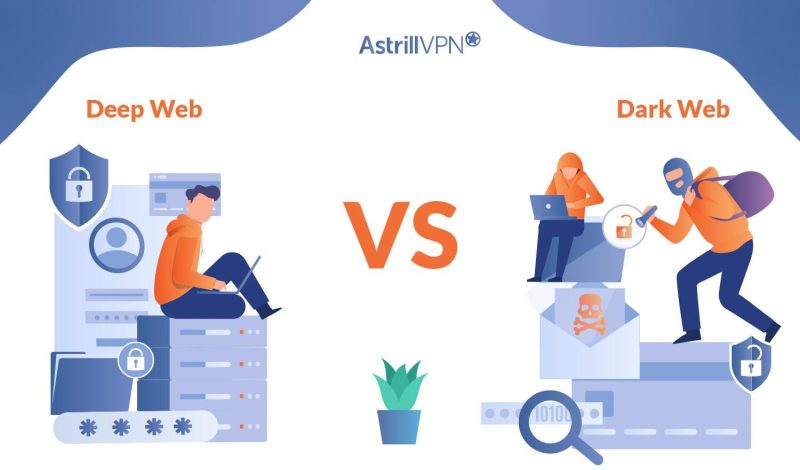
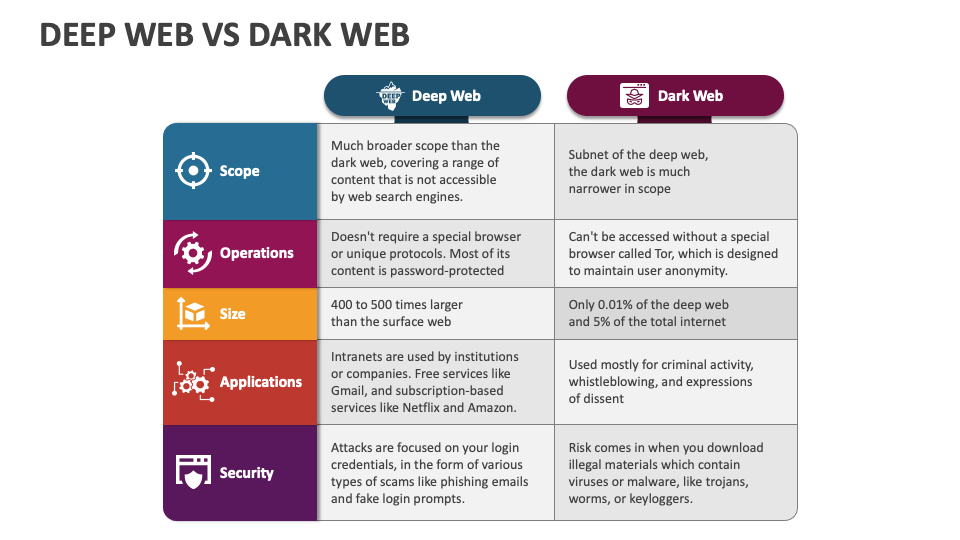
Contrary to popular belief, neither the Deep Web nor the Dark Web is inherently illegal. I like to think about the impact that the internet has on humanity. The deep web is approximately 400 to 500 times greater than the surface web. The dark web is only a small fraction of the deep web—constituting only 0.01% of it and 5% of the total internet.
Deep Web Vs Dark Web Use Cases

People use these platforms to sell illegal items, such as drugs, weapons, hacking services, stolen goods, and illegal services. The benefit of a reliable VPN is that it runs on a network of servers designed to give you fast speeds. This means you can gain online privacy while still engaging in activities like HD streaming, gaming, torrenting, etc. Below, we’ve included an explanation of the deep and dark web and their differences. Although you can’t use just any browser, all that’s needed is downloading and installing a special browser like Tor.
- Both are notorious for hosting illegal activities, including the sale of stolen data, drugs, and weapons.
- ‘The Onion Routing’ (Tor) is a project that has led to the creation of the Tor browser, making it easy for even regular web users to visit the dark web.
- One must always respect the laws and regulations regarding privacy.
- Exploring the dark web can expose users to the risk of identity theft, financial fraud, and privacy breaches.
- The main marketplace for all these things is the so-called Silk Road hub.
It’s Not A Wrap-up For You!
While hidden from public search, the deep web makes up the vast majority of the internet. This includes personal email accounts, online banking portals, cloud storage, subscription services, and medical records — essentially, any page behind a login, paywall, or restricted access. The deep web refers to the portion of the internet that is not indexed by search engines and is not accessible through standard web browsers. It includes content that is behind paywalls, private databases, and other unindexed sites. The deep web is vast, comprising a large portion of the internet, and is used for legitimate purposes such as academic libraries, medical records, and financial data. The deep web contains all parts of the internet that aren’t indexed by standard search engines like Google or Bing.
Subscribe To Our Newsletter!
Dark Web marketplaces are used to buy and sell illegal goods and services. Forums hosted on the Dark Web host discussions on successful and ongoing cyberattacks, newly discovered vulnerabilities, and other details of cyberattacks. Dark Web users also use the platform to exchange tips and tools for performing different cyberattacks and fraudulent activities. CrowdStrike Falcon® Adversary Intelligence provides comprehensive monitoring of the deep and dark web to identify threats targeting an organization’s brand, employees, and data. It helps detect compromised credentials, block fraudulent domains, and protect against phishing, brand impersonation, and cyber threats.
- Dark0de alone had over 69,000 listings, while Torrez offered around 57,000.2 By far the most infamous dark web marketplace is the Silk Road.
- People use the Dark web for purposes of Human trafficking, hiring hitmen, selling weapons and drugs, child pornography, racist content, and content that speaks hate about minorities and otherwise.
- Hence, it’s very hard to shut down dark web servers or place geo-restrictions on users.
- If you watched a single procedural TV series recently, they definitely featured at least a single internet-heavy episode.
How To Access The Deep Web Safely?
Most deep web resources serve legitimate purposes and exist to protect confidential information rather than conceal illegal activities. Unlike the dark web, which requires specialized browsers, deep web content often exists on the regular internet but remains inaccessible without proper authentication or direct links. Intranets, or internal networks used by companies and academic institutions, cannot be accessed by the public.
Is The Deep Web Or Dark Web Illegal?
If you really need to go to the dark side to check it out, take precautions. Use an encrypted privacy browser (like Tor), don’t share any real info about yourself there, don’t buy anything and don’t talk to anyone. Funnily enough, they still own those traditional big channels of communication and there are still plenty of people following the same orientation as them. They just don’t like the fact that other opinions can also be heard nowadays.
You can also use the website’s search feature to locate content that web crawlers have not indexed. This is particularly useful for information-heavy sites such as government resources or academic databases. Despite all the dangers, there are actually advantages to using the dark web. It’s a way to access a more open internet since the dark web is decentralized.
Final Thoughts On Managing Deep And Dark Web Exposure
Each relay knows only the previous and the next relays, but full connection route stays almost untraceable. The Multiple layers of encryption resemble the structure of an onion. The “onion routing” technology underpinning the dark web was developed by researchers at the U.S. Initially designed for secure military communications, it evolved into a broader tool for online anonymity, later expanding to public use with the Tor network.
Download Norton 360 Deluxe to help secure your device, block scams, and stay private online. Journalists use the dark web to help protect the anonymity of their sources, and others use the dark web simply because they believe strongly in their right to privacy. The US Department of Defense developed Tor, which is now run as a nonprofit by volunteers. It is funded by the likes of the US government and the National Science Foundation.
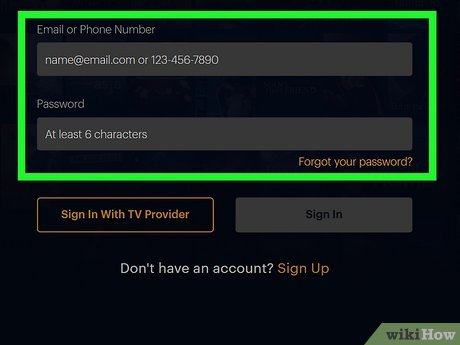
By nature, the deep web is the part of the internet that offers more data than the surface web. However, you will not see it unless you know the IP address or URL to access the server and have the login information needed to log in. Unlike the deep web, which everyone uses daily, the dark web requires deliberate effort to access. You must download the Tor browser, establish a connection, and navigate to a dark website. Did you login to your eBay account to send a message about a parcel?
If you know anything about data privacy and protecting yourself from identity theft, it’s easy to mitigate these risks on the deep web. In fact, you probably already do it whenever you log in to a secured website. For example, in 2016, investigative news outlet ProPublica launched a hidden version of its website on the dark web to provide a secure and anonymous way for readers to access its content.
This bright side of the dark web chiefly includes whistleblowing and sensitive journalism. It’s run by global volunteers who become relay operators by donating their bandwidth and IP address for whatever Tor users do. Dark web hosts project which ends with .onion (aka onion sites) and not .com, .net, .org, etc. that we generally operate with. And since normal browsers can’t browse such websites, you need something like the Tor browser to surf the dark web.
This is akin to the things you actively hide from other people and don’t want anyone else to learn about. They don’t have to be deep, dark secrets — not even your closest friends need to know the password to your email account, for instance. The dark web is a part of the deep web, but only a very tiny part of it. The people running the site don’t want anyone to know who they are and they certainly don’t want just anyone visiting their sites. The “deep” web then, is all of the stuff connected to the internet but hidden away behind some form of security.
This includes social media, news sites, blogs, and e-commerce sites accessible to most users with minimal effort to find and access them, without special software or login credentials. The surface web hosts most online activity; hence, it would be a very lively space for the exchange of information and commerce. The “deep web” (also called invisible and hidden web) refers to the 90% of the internet information that is not accessible to the general public because it is not indexed by search engines. The contents of the deep web can be accessed by using a direct URL or IP address along with user account credentials. The deep web is essentially the part of the internet that is not indexed by search engines like Google or Bing.