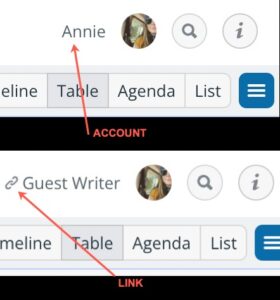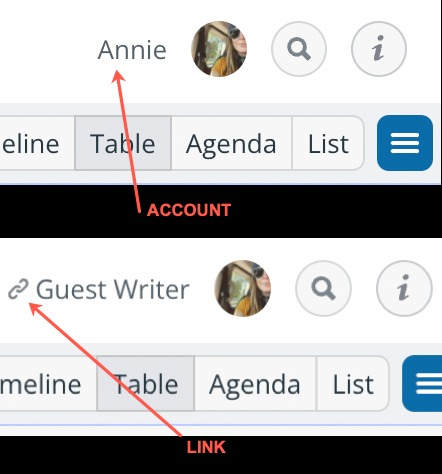
The Web is comprised of infinite number of pages filled with all kinds of content and information and hyperlink is a crosslinking tool that links those pages within same or different websites. Hyperlinks are a fundamental concept behind the World Wide Web that makes navigating between web pages easier via links. An internal link is a link that connects two web pages within the same website, whereas an external link is used to connect two web pages that belong to two different websites. Hyperlinks in HTML are created using the anchor tag, which defines the clickable text and the reference to the data it links to. The ‘href’ attribute within the anchor tag specifies the URL or the location of the HTML document or HTML file that the user will be redirected to upon interaction. The core differences between links and hyperlinks lie in their functionality and presentation.
Link Vs Embed: Understanding The Key Differences
Embedding also offers convenience by allowing users to view multimedia content directly on the host website without having to navigate away. Although both look just the same, there is a thin line that separates the two in terms of internet. A link is simply an address that specifies the location of a resource on the Internet just like an URL which takes you to the web pages identified by the linked URLs. Hyperlinks, on the other hand, are links that you can click on or activate with a pointing device in order to jump to the target page. They are references that crosslink trillions of web pages and files on the internet for the sole purpose of navigating.
Optimized experience for screen readers, high contrast themes, and keyboard-only navigation. The marketplace administrator claimed that the hack was on a read-only copy of the marketplace status from 6 months ago and that there may have been an IP leak of a server he used last month. Versus Market was upgraded to become one of the largest dark web marketplaces after the World Market and Dark0de Market were shut down. This isn’t the first security audit of the three-year-old darknet marketplace.

New Video
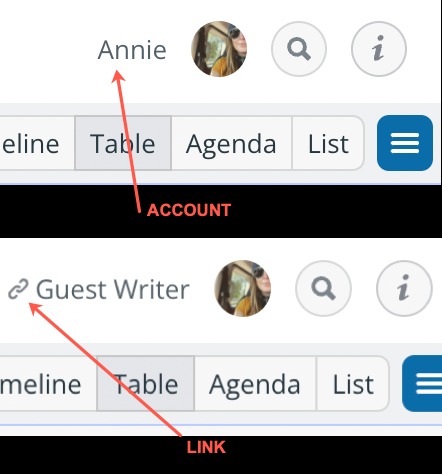
On the other hand, embedding can sometimes blur the lines of copyright ownership and usage rights. On the other hand, embeds can also influence SEO by enhancing user engagement and dwell time. Embedding rich media like videos, infographics, or social media posts can make your content more dynamic and attractive to visitors, leading to lower bounce rates and potentially higher search engine rankings. An anchor link is created using the HTML anchor element, which includes a reference to the target location on the page, marked by an identifier known as the ‘id’ attribute. In contrast, a text hyperlink is a word, phrase, or image you can click on to jump to a new document or a specific section. As an example, create a file A.txt, a hard link B.txt, and delete A.txt.
Symbolic Link
Links are crucial for SEO as they direct traffic between pages and websites, helping search engines understand the relationships between different content. Properly optimized links can improve your site’s ranking and authority. In summary, the functionality and purpose of links in web content are to facilitate navigation, provide additional information, enhance user experience, cite sources, and contribute to SEO efforts. Understanding how links work and incorporating them effectively into content can greatly improve the usability and engagement of web users. A hyperlink is a link that takes you from one domain to another via references called anchor texts.
Embedding can help maintain the appearance and functionality of the content, while linking allows for easier updates and reduces file size. Ultimately, the choice between links and embeds should be based on your content goals, user experience priorities, and the type of engagement you wish to achieve. By evaluating these factors and aligning them with your content strategy, you can make an informed decision on whether to use links or embeds for optimal results.
English-language Dark Web Marketplace Versus Announces Closure After Hacking Attack
- In just a few minutes (or hours for longer documents), you’ll receive your corrected text.
- I was honest and said I knew how a symbolic link behaves and how to create one, but do not understand the use of a hard link and how it differs from a symbolic one.
- They are designed to direct users to specific destinations such as websites, documents, or multimedia content by clicking on the hyperlink.
- This allowed Versus to continue forward and become a large marketplace in terms of user numbers and transaction volumes.
- The CSS language enriches hyperlinks by providing styling options that make pages easier via links and enhance the visual cues that prompt user interaction.
A program that traverses the hypertext, following each hyperlink and gathering all the retrieved documents is known as a Web spider or crawler. As you can see in the three pillars, everything on the Web revolves around documents and how to access them. The Web’s original purpose was to provide an easy way to reach, read, and navigate through text documents. Since then, the Web has evolved to provide access to images, videos, and binary data, but these improvements have hardly changed the three pillars. The hacker leaked a PoC showing how an attacker could access the website server’s file system on Dread, a social media platform on the darknet. When it comes to SEO implications of using links and embeds, it’s essential to understand the impact each can have on your website’s visibility.
Inline Links
In summary, links are used to direct users to external resources, while embedding allows content from external sources to be displayed within a webpage. Understanding the differences between linking and embedding is essential for web developers and content creators to effectively enhance user engagement and provide valuable content to visitors. On the other hand, embedding involves incorporating external content, such as videos, images, or documents, directly into a webpage.
Versus Marketplace Administrators Announce They Are Shutting Down The Marketplace
Initially, it was the link that made the Web available for everyone. They can make you leap through different webpages of the enormous internet or just things within the same webpage. They allow us to connect with different servers and access vast information with a single click. They are the cornerstones of our digital world, making the complex information network accessible and navigable. It is often embedded within text or an image, serving as an HTML control that can be activated by clicking. The terms are used interchangeably, but their nuances are essential for effective online communication.
Every time search engines crawl a webpage, they index the website by following the links available on the webpage. Search engines not only follow links to discover the various pages of the website, but they also use the link’s visible text to determine which search queries are appropriate for reaching the target webpage. Last week, a hacker exposed the marketplace’s poor security by leaking a PoC on how to access the file system of the site’s server on Dread, a darknet social media space. By grasping the distinctions between linking and embedding, individuals and businesses can optimize their content sharing strategies to reach wider audiences and drive traffic to their websites.
It is always best to err on the side of caution and follow copyright laws to avoid any legal repercussions. Linking involves connecting to an external source or file without physically including it in the document. When you click on the link, it redirects you to the original source. Embedding, on the other hand, involves placing the content directly within the document itself. This means that the content is displayed within the document and does not rely on an external source.
How Does Linking Affect The Size And Performance Of A Webpage Compared To Embedding?
One might be directed to external links leading to different domains or other sections within the same text document when clicking the link. The CSS language enriches hyperlinks by providing styling options that make pages easier via links and enhance the visual cues that prompt user interaction. A link simply refers to a reference or a connection between two points in the digital space. It can be a textual or graphical element that users interact with to navigate from one piece of information to another.