In both cases, additional support options are available at higher tiers, though that may not be available to small businesses. A community of professionals, including some you can hire, are available for both as well. It’s two different approaches to integration, which may be equally appealing to a large or small business. The slick presentation and easy to use tools make Monday the better option. Microsoft Project offers more when using waterfall methods, though that may not matter to every user.
Project Vs Process: How To Determine The Difference
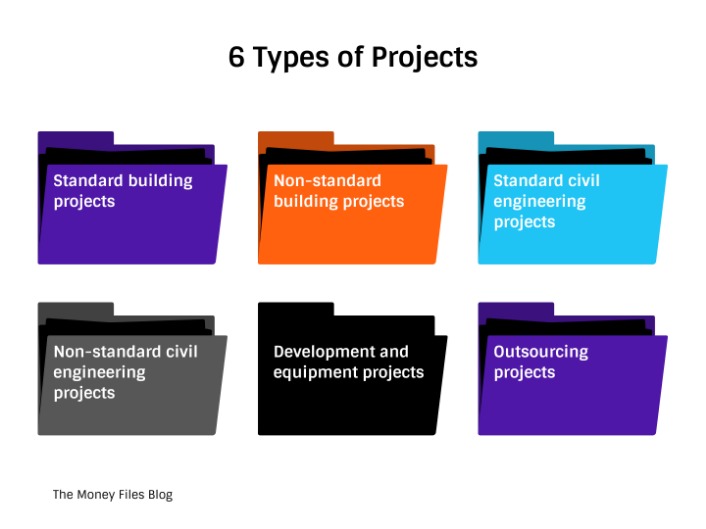
For routine operations, where tasks need to be completed consistently, employing a task-based approach is highly effective. This method allows for clear accountability, straightforward tracking of progress, and efficient use of resources. Projects are particularly appropriate for large-scale initiatives that require extensive planning and coordination across departments. When the scope includes multiple stakeholders, interdependencies, and a considerable investment of resources, a project approach is crucial. Determining when to adopt a project management approach versus task management is vital for achieving success, particularly in complex and scale-driven environments. A clear understanding of this relationship can guide managers in structuring their workload more effectively.
There are also portfolio reports, so you have a variety of ways to make sure that your projects are on track. Plus, since ProjectManager is online, all of your project and program data updates in real time, giving you the most accurate data possible. Now that we’ve outlined the main differences between a project and a program, let’s now discuss how they’re managed. As stated above, there are both similarities and differences between them, which is also true for project management and program management. The life cycle of a product involves continuous improvement based on customer feedback and market developments, ensuring that product deliverables evolve to meet changing user requirements. This meant consumers could now have access to the latest features instantly, instead of having to wait for years before having to purchase the new release.
What Is The Difference Between Project Management And Program Management?
A product manager oversees the entire product lifecycle, from development to launch and beyond. These teams involve professionals with diverse expertise, highlighting the importance of collaboration within product teams. This continuous improvement is driven by the product manager, who oversees the product’s lifecycle, from development to market introduction, growth, maturity, and eventual decline. It could be a tangible or intangible offering, designed to address customer needs while providing value to both the customers and the company. Unlike a project, a product’s lifecycle is ongoing, with a constant focus on value creation for customers.
A project is a temporary and unique endeavor aimed at achieving a specific goal or objective, typically within a defined timeframe and budget. Projects have a beginning and an end, and they involve a team of people working together to complete a set of tasks that contribute to the overall goal. Because of the breadth of their responsibilities, program managers play a key enabling role in companies.

Collaboration features are important because they ease communication between team members and allow for a smoother process. In comparison, when undertaking a process, the focus is more on optimization. There is little to no risk involved in processes (after all, there’s a reason why it became a standardized process), which is why the main objective is usually to refine it. There is always room for improvement when it comes to factors such as cost and time. The purpose of a process is to serve business objectives that provide customer value. They should be regularly evaluated and improved so that business standards can be refined.
What Is The Responsibility Of A Portfolio Manager?
It’s more powerful, has more features and is the preferred project management software for very established companies that run big projects. There are many reasons why Microsoft Planner is the champion in this bout. While the three descriptions differ a little, there is a common theme in all 3 solutions – work and project management. So it seems all of these tools aim to improve your processes and make managing them easier. As vital as they are in certain projects, Kanban boards can also be useful in representing processes.
More Efficient Resource Allocation

Product teams usually comprise cross-functional members who are responsible for various aspects of the product, such as design, development, marketing, and support. Project teams, however, are formed for the specific purpose of completing a project and are disbanded once the project is finished. In the world of business and management, the terms “product” and “project” are often used interchangeably.
Microsoft Project Vs Smartsheet Vs Teamhood: Information Management
- ProjectManager is a flexible software that delivers real-time data to help you make more insightful decisions.
- In contrast, a Program Manager oversees an entire program consisting of multiple complex and interdependent projects working towards a common strategic objective.
- No subscription fees and rates up to 50% cheaper than other online editing services.
- They ensure that each team member is working towards the project’s goals and meeting their assigned tasks.
- On the other hand, projects are temporary endeavors with a defined beginning and end, typically constrained by time, resources, and budget.
This segmentation allows for more precise tracking of resources and timelines. The project charter is a short document that explains what a project entails. It describes what the project goals are, who is involved and their responsibilities, and the stakeholders, and defines the authority of the project manager. Some prime examples of projects include the development of software or product, a new marketing campaign, the construction of a building, or a relief program after a natural disaster. “Project” and “process” are two distinct concepts often used in the context of work, management, and various industries.
Agile Leadership With A Product Mindset
By breaking down daily operations into manageable tasks, teams can maintain momentum and ensure that critical functions are executed seamlessly. In the realm of management, distinguishing between projects and tasks is crucial for effectiveness and efficiency. This article will dissect the definitions, key differences, and interrelations between projects and tasks. We will also explore when to adopt each approach and how to balance them for optimal performance. Whether you are a seasoned product manager or just starting in the field, a clear understanding of these concepts will enhance your planning and execution strategies.
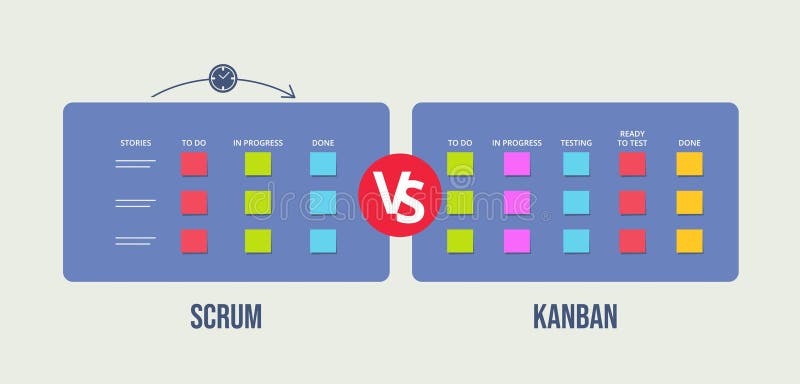

This also enhances accountability, as each task can be assigned to specific team members, making it easier to monitor productivity and progress. Furthermore, the use of project management tools can facilitate this process by providing visual representations of tasks, such as Gantt charts or Kanban boards. These tools not only help in tracking individual tasks but also foster collaboration among team members, as they can see how their contributions fit into the overall project timeline.
Projects tend to be more complex, involving multiple tasks spread over an extended timeline. Tasks, in contrast, are generally shorter and simpler; they form the building blocks of the overall project. Join over thousands of organizations that use Creately to brainstorm, plan, analyze, and execute their projects successfully. Projects bring innovation and change, while processes focus on maintaining operational efficiency and consistency, with both contributing to the overall success of an organization.
Projects are typically executed within a specific department or functional area of an organization. They are often initiated to address a specific need or solve a particular problem. The impact of a project is usually limited to the department or area in which it is executed, although it may have broader implications for the organization as a whole. Amanda Athuraliya is the communication specialist/content writer at Creately, online diagramming and collaboration tool.
When To Use A Project Approach
Projects are finite, with clear deliverables and objectives that aim to meet immediate needs, often at the cost of preparing for future needs, adding to costs in the form of change requests later on. While projects can be part of a product’s lifecycle, their focus is narrower and often lacks the flexibility needed for iterative growth. For example, during a seasonal sale, a team may execute specific tasks like designing promotional graphics, scheduling email blasts, and analyzing customer responses on short notice. This flexibility allows teams to pivot quickly and adjust their strategies based on real-time feedback and performance metrics. This collaborative effort not only enhances the quality of the output but also builds a sense of camaraderie among team members as they work together towards common objectives.