Α-ET stimulus generalization occurred to PMMA and DOM, and partial generalization was seen with (+)amphetamine (Table 8). Taken together, the results indicated that S(+)α-ET was, primarily, a DOM-like agent, R(-)α-ET was more of a (+)amphetamine-like agent, and that both isomers produced a PMMA-like effect. The results are noteworthy because they showed that the stimulus effects of certain indolalkylamines, as well as phenylalkylamines, might be explained by the Venn diagram depicted in Figure 10.
The Chemistry And Biology Of Phenylethylamine
The supplement may cause the patient to shift from depression to mania (x). Schizophrenia patients should also use caution taking PEA because according to research, it may increase hallucinations and delusions (x, x, x). Phenylethylamine works with the central nervous system to help increase energy. PEA has been proven to sharpen focus, increase stamina and improve overall endurance, making it an effective athletic performance stimulant.
This Ingredient Is Used For These Health Conditions
This does not provide any information about the effects of supplemental phenylethylamine, however 27. Activation of TAAR1 receptors stop the uptake and triggers the release of dopamine, norepinephrine and serotonin. Taking phenethylamine along with these medications used for depression might cause too much serotonin in the body, and serious side effects including heart problems, shivering, and anxiety.
Phenylethylamine Effects
Before using PEA, it’s vital to speak with a doctor, especially if you’re on any drugs or have any underlying medical issues. There are a number of drug interactions to be aware of if you plan to take phenylethylamine supplements. While eating moderate amounts of phenylethylamine foods is likely safe, taking concentrated doses in supplement form can lead to unwanted interactions and symptoms.
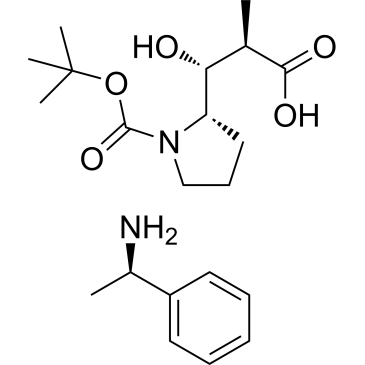
Phenylethylamine HCL (PEA): Benefits, Side Effects & Dosage

Phenylethylamine (PEA 2-phenylethylamine (b-phenylethylamine Phenethylamine,) is a trace amino acid. The brain naturally transforms the amino acid L-Phenylalanine to Phenylethylamine (PEA). The appropriate dose of phenethylamine depends on several factors such as the user’s age, health, and several other conditions.
Garcinia Cambogia: Is It Safe For Weight Loss?
It has been used in nutritional products and dietary supplements aiming to support mental alertness, energy, and a positive mood. Many of the agents are abused substances, others possess mechanistic attributes that (internally – SERT vs DAT action of a given agent) temper, or potentiate (i.e., 8-OH DPAT), these actions, and the actions of some agents probably involve multiple mechanisms. However, the potential for specific agents acting by a combination of these mechanisms represents nuances that require further investigation.
Explore our at-home lab tests—from hormone and gut panels to toxin screenings. These simple kits give you data to back your decisions, and pair perfectly with natural ingredient guidance. Overall, phenethylamine’s medicinal legacy is rooted in its positive influence on mood and mental energy. Its inclusion in both traditional and contemporary herbal combinations underscores its ongoing importance in natural wellness practices, contributing to improved emotional health and vitality. PEA is synthesized from the amino acid phenylalanine through a process called decarboxylation. This fancy term simply means removing a carboxyl group from the amino acid.
- Arylalkylamines we had termed classical hallucinogens included indolealkylamines (e.g. LSD, 5-OMe DMT) and phenylalkylamines (e.g. mescaline, DOM).
- This natural presence in our diet has led some to dub PEA as the “love drug” or “chocolate amphetamine,” hinting at its mood-enhancing properties.
- Your brain naturally converts L-Phenylalanine into Phenylethylamine (PEA).
- When PEA was administered to depressed patients (together with selegiline, a MAO-B inhibitor added to prevent destruction of PEA), the depression was relieved in 60% of cases, leading to the suggestion that a deficit of PEA may be a cause of depression.
- Phenylethylamine (PEA) can be metabolized naturally by monoamine oxidase B (MAO-B).
Training on drug and non-drug (i.e., typically vehicle) conditions, with (sweetened condensed milk or solid food pellet) re-enforcement, continues daily. Chocolate, cheese, and several fermented foods contain trace levels of the monoamine alkaloid phenylethylamine (PEA), a naturally occurring substance. Additionally, the human body spontaneously makes it from the amino acid phenylalanine.
When both methoxy groups are present, such as in 3,4-DMA, the resulting compound displayed both types of actions and was relatively similar in potency. However, many TAAR1 ligands including PEA (1), tryptamine, and 4-hydroxyamphetamine, have minimal central activity when administered by typical systemic routes of administration. Why are certain phenyl/arylalkylamines, such as these, centrally inactive, or nearly so, when administered systemically? One reason might be that they are unable to readily cross the blood–brain barrier. The concept of the blood–brain barrier (BBB) was proposed as early as 1900 by Lewandowsky14 (reviewed15) but was not fully appreciated for many decades to come.
Figure 3
Increasing these neurotransmitters in certain brain areas may, in theory, promote a positive mood and lead to a greater sense of well-being. However, there is insufficient evidence to claim that phenethylamine improves mood 10. Phenethylamine is produced in tiny amounts throughout the brain and spinal cord and is made from the essential amino acid phenylalanine, which is mainly found in protein-rich foods 3.
Too much PEA can cause irritability, nausea, amplified heart rate, jitteriness, and could be extremely dangerous. Do not use Phenylethylamine (PEA) if you are using a prescription MAOI like Marplan, Nardil, Azilect or Parnate, or have used one in the last 14 days. So if you are ADHD and crave chocolate, it’s likely because cocao supplies PEA. The sustained antidepressant effect of Phenylethylamine (PEA) may be an alternative to SSRIs. If you’re ADHD or ADD, you should see an improvement in mood, attention span, focus and mental clarity.
- PEA may have certain adverse consequences, especially when taken in high dosages.
- Additionally, individual responses to PEA supplementation may vary, and caution should be exercised, particularly for individuals with certain health conditions or those taking medications.
- As I came across more and more of these articles, I began to feel a sense of disquiet.
- And T.W.K.; resources, E.S.C.; software, E.S.C.; supervision, E.S.C. and E.Y.J.; validation, J.S.K.; writing—original draft, I.S.R. and E.Y.J.; writing—review and editing, O.-H.K.
Phenethylamine
Nothing has been reported about the stimulus effects of PEA (1)-caffeine combinations. But, PEA (1) has been used as a training drug in rats,70 and its training dose (30 mg/kg) was substantially (i.e., 30 to 60 times) higher than those typically employed for (+)amphetamine. 1-(3,4-Dimethoxyphenyl)-2-aminopropane (3,4-DMA; 46) (Figure 9) can be viewed as a “ring opened” analog of MDA (42), and PMA (44) and MMA (47) represent compound 46 minus one of the two methoxy groups.
A higher level of neurotransmitters can increase the feeling of pleasure and motivation, enhances the memory and cognitive abilities, and increases the ability to control impulses. PEA does not increases the amount of neurotransmitters released when a nerve is stimulated when it receives an signal from a nearby neuron. Some of these medications for depression include fluoxetine (Prozac), paroxetine (Paxil), sertraline (Zoloft), amitriptyline (Elavil), clomipramine (Anafranil), imipramine (Tofranil), and others. PEA works well when stacked with L-Tyrosine (for dopamine), and CDP-Choline and ALCAR (for acetylcholine). It’s a possible substitute to stimulant meds like Ritalin or Adderall for some people. DO NOT make the mistake of buying Phenylalanine instead of Phenylethylamine (PEA).
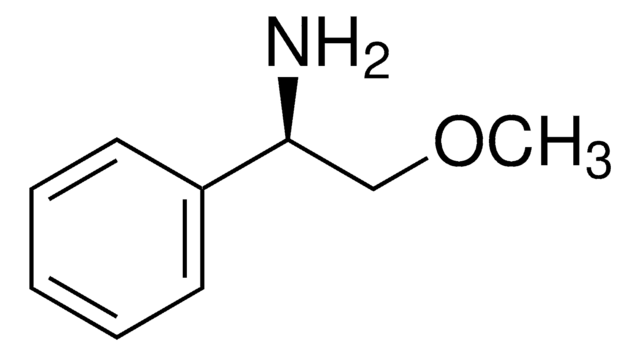
Remember to speak with a doctor before taking phenethylamine supplements, which should never be used as a replacement for approved medical therapies. Certain naturopaths are starting to prescribe PEA in lieu of stimulants such as amphetamines and the methylphenidate for treating ADHD. PEA is a receptor for C-proteins, TAAR1 and TAAR2 which are receptors that are reserved to traceamine use. The receptors mentioned above are not utilized by other neurotransmitters of major importance, such as norepinephrine or dopamine.